
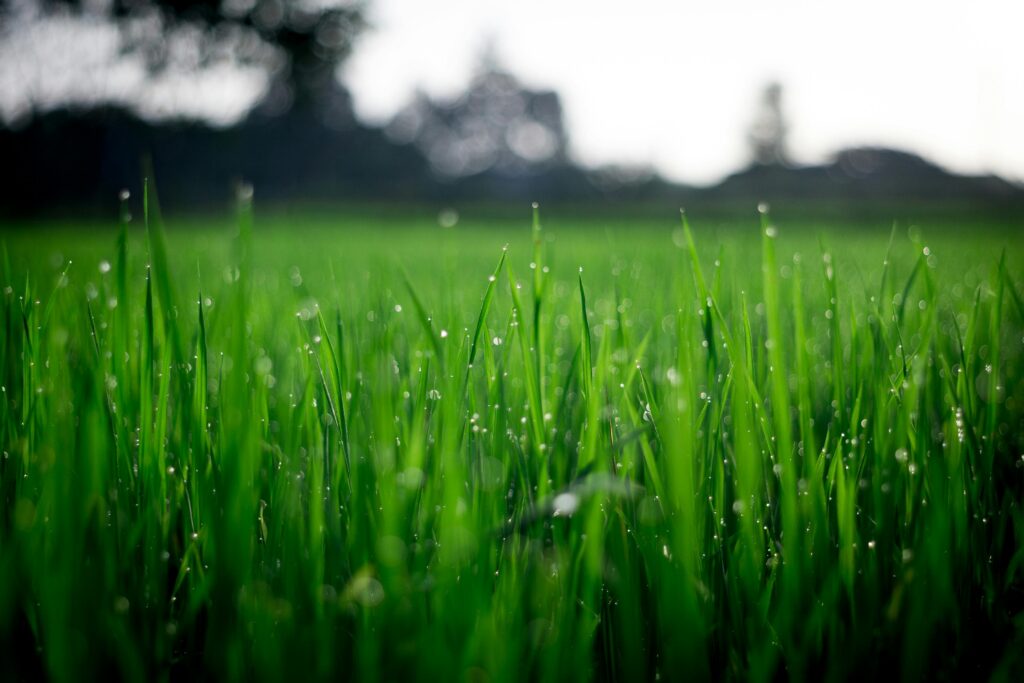
I bought my little brick fixer‑upper for its big maples and squeaky porch swing, not for its lawn. In the realtor photos, the grass looked flawless—a Photoshop meadow in emerald. Two months later I rolled up the driveway and found a crunchy, splotchy mess: a three‑day beard of crabgrass, ant mounds, and weird bare craters that looked suspiciously like the previous owner’s kiddie‑pool footprint.
Sod estimates came in only slightly lower than a used car, so I made a deal with myself: learn how to plant grass seed properly or embrace a yard full of clover and dandelions forever. Three growing seasons later, the lawn now passes the barefoot test, the dogs don’t track mud inside, and my neighbor actually borrowed my spreader this spring—life comes at you fast. Below is the unfiltered playbook—what worked, what fizzled, and the details glossy magazines skip. I’ve stretched it into a full 1,600‑word walk‑through so you can flameproof your own overseeding adventure.
1. Timing: Plant When Mother Nature’s in a Good Mood
Grass seed germinates anytime the ground isn’t frozen, but seedlings hate extremes. Optimal windows ride the Goldilocks zone between hot days and cold nights.
| Grass Type | Ideal Soil Temp | Best Planting Window |
|---|---|---|
| Cool‑season (fescue, bluegrass, perennial rye) | 55–70 °F | late Aug – mid Oct or mid‑April |
| Warm‑season (Bermuda, zoysia, centipede) | 65–90 °F | late May – mid July |
Miss that and seedlings either fry (July oven) or stall (early November chill). I blew my first fall seeding by sowing bluegrass after Halloween. It sprouted, got zapped by a surprise 21 °F night, and never returned. Learn from my tiny tombstones of turf.
2. Seed Choice: Don’t Let the Bag Fool You
Big‑box “Sun & Shade Wonder Mix!” bags stuff rye, fescue, and bluegrass together regardless of your ZIP code. Slow winners get overshadowed by speedy annual rye, and you’re left wondering why the lawn dies the second winter. Better plan:
- Read the NTEP footnotes (tiny print on the tag). Look for cultivar scores above 5.5 for your region.
- Match cultivar to microclimate. ‘Titan Rx’ tall fescue loves clay; ‘Midnight’ bluegrass tolerates partial shade; ‘Princess 77’ Bermuda stays low and dense.
- Ignore marketing names. A local co‑op staffer finally explained that “Rhino Tough” is basically commodity fescue with a mascot.
Yes, quality seed costs $15–$20 more per 50‑lb bag. But that’s still pennies per square foot compared with sod, and you skip the annual‑rye heartbreak.
3. Soil Testing: Ten Dollars That Decides Everything
Before a single seed hits soil, mail a pint‑size bag of dirt to your state extension. My pH came back 5.2—grass prefers 6.2–6.8. Two 40‑lb bags of pelletized lime later, seedlings turned from yellowish to Crayola green. Trust me: doing it blind wastes fertilizer and months of troubleshooting.
4. Sweat Equity Prep: Scalp, Rake, Aerate, Level
4.1 Scalp the Old Stuff
Drop the mower to its lowest safe notch (about 1½ inches) and bag the clippings. Short turf means seed hits soil instead of getting caught in a Velcro of blades.
4.2 Dethatch or Power‑Rake
Thatch thicker than ½ inch blocks seed‑to‑soil contact. Renting a power rake chews up dead buildup; my lawn filled a small pickup bed with gnarly straw. Worth every blister.
4.3 Core Aerate
A core aerator leaves finger‑size holes 2–3 inches deep. Those plugs break thatch, improve drainage, and—best of all—act like tiny seed cradles. I rent one every fall now; my soil literally exhales afterwards.
4.4 Topdress Depressions
Mix equal parts compost and sand, back‑fill child‑pool craters, tamp lightly, repeat. Level soil means even moisture—a secret to uniform germination.
5. Seed‑to‑Soil Contact: The Compost Sprinkle
After broadcasting seed, I spread ¼ inch of screened compost. Benefits:
- Keeps seed damp = faster germination
- Hides a buffet from birds
- Feeds microbes that baby seedlings rely on
Peat moss works, but compost delivers actual nitrogen and phosphorus. Plus, it’s free if you compost your kitchen scraps.
6. Spreader Calibration (The Polka‑Dot Preventer)
Seed bags print a dial number for common spreaders. Believe, but verify:
- Weigh 1 lb of seed in a plastic cup.
- Walk a 100‑sq‑ft test strip on the driveway.
- Sweep and re‑weigh leftover seed.
If you spread too heavy, dial back; too thin, nudge up. Ten minutes calibrating beats six months of staring at polka‑dot turf.
7. Seeding Rates Cheat Sheet
| Situation | Cool‑Season Rates | Warm‑Season Rates |
|---|---|---|
| Overseeding thin lawn | 5–6 lb / 1 000 sq ft | 1–2 lb / 1 000 sq ft (Bermuda) |
| Bare ground | x1.5 overseed rate | 3 lb / 1 000 sq ft |
| Shady zones | +10 % more seed | Choose shade‑tolerant zoysia |
More seed isn’t better—crowding starves seedlings of light and air.
8. Starter Fertilizer: Root Food, Not Leaf Juice
Skip the lush‑lawn 32‑0‑10 bag. Seedlings employ roots before shoots. Choose something in the 10‑18‑10 neighborhood or organic 4‑4‑4 if phosphorus bans apply. Spread fertilizer after seed so granules push seed into cracks.
9. Watering Schedule: Keep It Consistently Damp
Grass seed needs constant moisture for germination, but puddles suffocate sprouts. My winning schedule (adjust for climate):
| Days 0–10 | Mist 3–4× daily, 5 min each (6 a.m., 10 a.m., 2 p.m., sunset during dry heat) |
| Days 11–21 | 1× daily, 10–15 min |
| Day 22+ | Three deep soaks per week, 20 min |
A Wi‑Fi timer saved my bacon on work trips. Rain counts only if it breaks ½ inch; a drizzle fools no seedling.
10. Shade vs. Sun Strategy
- Full‑sun slopes dry faster—shoot for drought‑resistant cultivars like ‘Falcon V’ tall fescue or TifTuf Bermuda and water a smidge longer each session.
- Dappled shade under maples benefits from thin top‑dressing plus extra phosphorus. Roots compete with tree roots; more initial nutrition helps.
- Dense shade (north side, under evergreens)? Consider fine fescue or resign to mulch. Seed won’t cheat physics.
11. First Mow: Less Drama, More Science
Cut when blades stand 3 inches tall. Sharpen your mower blade—the butcher‑knife sound of a dull blade tears seedlings out. Set deck to remove one‑third of height; bag clippings to keep seedlings in daylight.
12. Post‑Germination Feeding: Slow and Steady
At week five, when babies look like actual grass, apply a slow‑release 24‑0‑5 at half the bag’s rate. Too much nitrogen too soon creates lush leaf that collapses under snow mold or summer heat. Fertilize full‑rate again in late fall (cool‑season) or late spring (warm‑season).
13. Weed & Pest Patrol
You can’t use pre‑emergent herbicide for 8–10 weeks post‑seeding. Hand‑pull crabgrass after rain; sharp hori‑hori knife pops seedlings easily.
Fungus tip: Water by sunrise so leaves dry by lunch. Dollar‑spot loves damp evenings.
14. Rookie Mistakes I Won’t Repeat
- Overseeding Bermuda in October. Warm‑season seedlings hate frost.
- Skipping mulch cover. Birds treated seed like a buffet, reducing germination by a third.
- Attempting to seed and heavy‑core aerate the same day. Cores bury seed too deep. Aerate first, wait a day to seed.
- Walking the lawn every evening “to admire progress.” Foot traffic compacts soil and uproots tender shoots.
- Leaving sprinklers on vacation mode during a hurricane remnant rain. Ten inches of rain + timer = swamp. Check forecasts.
15. Year‑One Maintenance
Shiny new lawns behave like toddlers—hungry, thirsty, and fragile. In year one:
- Stay off during soggy spells—footprints compress young root zones.
- Sharpen mower blades every 20 hours of use. Ragged cuts invite disease.
- Keep blade height at 3–3½ inches through summer to shade soil and conserve water.
- Spot‑seed divots early—baby grass establishes faster than weeds.
16. Overseeding Warm‑Season Turf (Bonus Section)
Bermuda and zoysia spread laterally; overseeding usually targets winter color with rye. But if drought, grubs, or kids nuke patches, seed them like cool‑season lawns—just within the warm window.
- Scratch soil with metal rake; Bermuda stolons root in exposed nodes.
- Use coated Bermuda seed for better germination.
- Water lightly four times a day for 7–10 days; warm‑season seeds love heat and moisture.
17. Storage & Future‑Proofing
Store leftover seed in an airtight container with silica gel packs, stashed in a cool closet. Label cultivar and date; viability drops about 10 % per year. I keep a quart jar of fescue handy for dog‑hole repairs all season.
Final Patch‑to‑Carpet Reflection
The summer after my first successful overseed, my niece raced barefoot from sprinkler to porch without hitting dirt once. She declared the grass felt like “a green trampoline.” That single line erased every sweaty fall afternoon of core aerating and compost flinging.
Planting grass seed isn’t glamorous—Instagram would rather show stone patios and flower urns—but it’s weirdly satisfying. Each seed is a miniature investment that pays dividends in cool June mornings, in the soft whiff of fresh‑cut turf, and in that moment you realize you no longer cringe at your own front yard.
So pick your seed, mark your calendar, and beat the bag spreader into shape. Your future self—mug of coffee in hand, toes in the grass—will be glad you went the DIY route.
Ask ChatGPT